
energies · XIV / XX · Sphere C · Mind & Pattern · All 20
Ego is not bad. It is one pole.
Sufis call the poles nafs and rūḥ, Thomas Merton False and True Self, C.G. Jung ego and Self. The same polarity, everywhere. The ego is not the flaw in it. It is one of the poles. The axis is the movement between them.
Do you know the moment when you make a decision and at the same time sense that something deeper already knows? That is the axis. Your ego decides. Your Self knows. Both are at work.
I · Structure · Measurable
IFS studies (Schwartz · Hodgdon 2022, current): the Self as therapeutic anchor: when the client speaks from Self, physiological arousal drops on average 22% within a session.
II · Flow · Tradition
Sufism: nafs (self-ego) versus rūḥ (soul). Christian mysticism: the True Self behind the False Self (Thomas Merton). Structurally the same polarity everywhere.
III · Breadth · Synthesis
Modern model: Self-Leadership (Schwartz 2021, IFS) as therapeutic goal: the client learns to speak from Self rather than from a Part. This is Jungian individuation, operationalised.
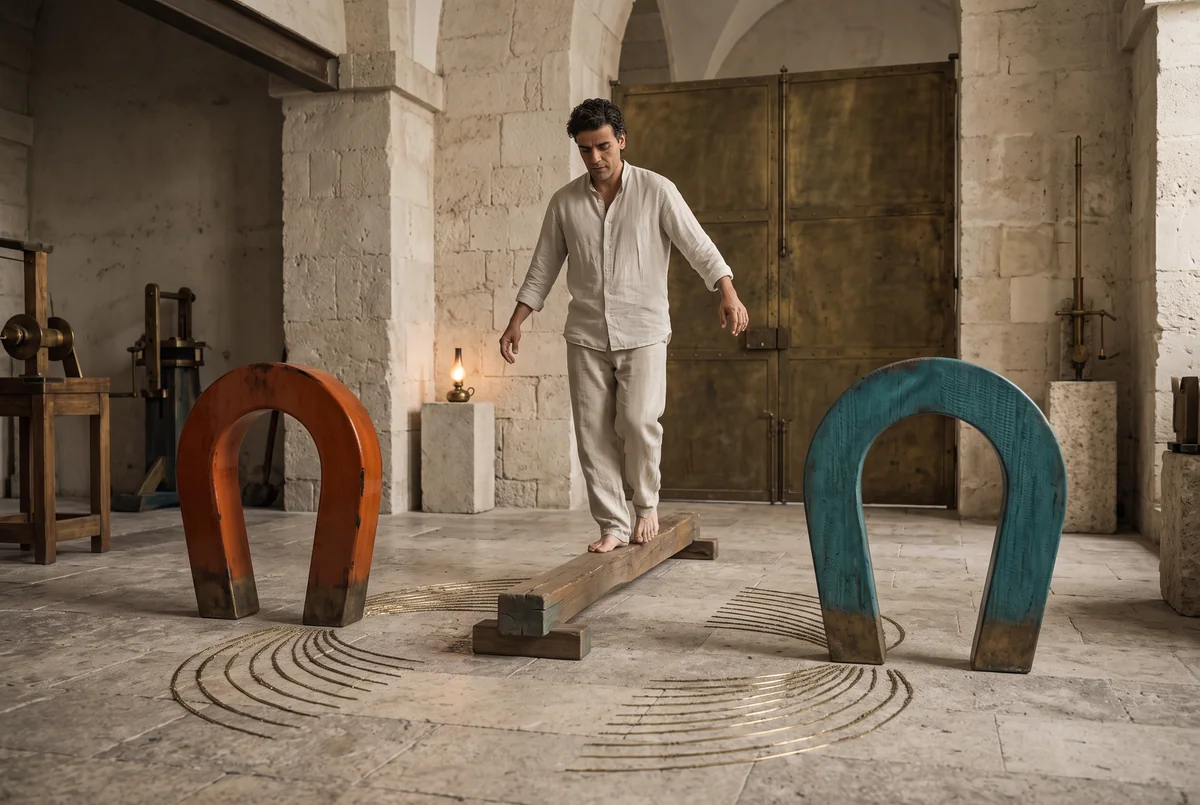
Tool · Ego-Self axis
Between two poles, not at one
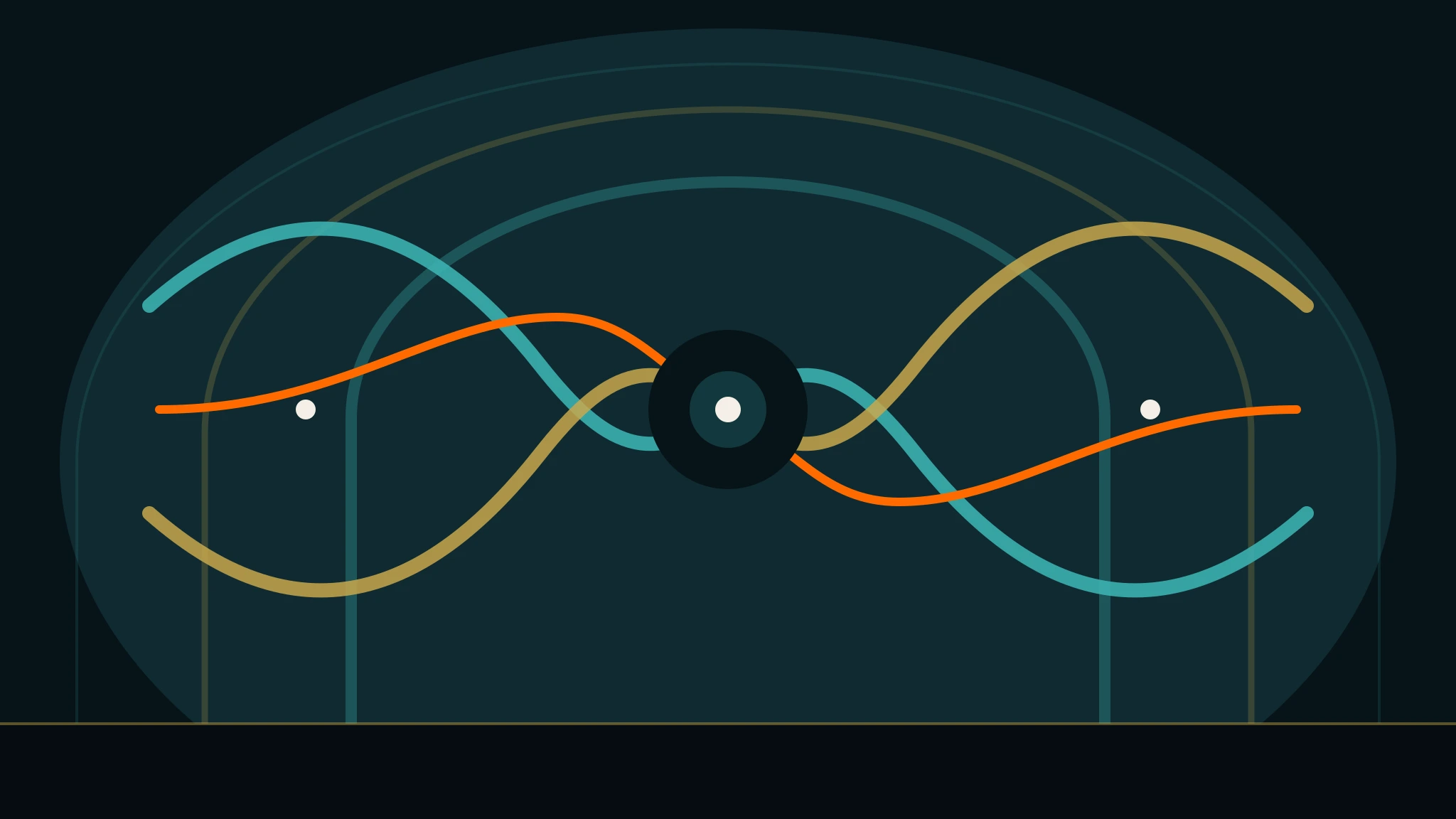
Ego and Self are not opponents. They are the two ends of an axis. The same axis turns up everywhere: Jung calls it ego and Self, the Sufis nafs and ruh, Thomas Merton false and true self.
You do not live at one end. You live in the movement between them. Slide yourself through once.
Choose a place on the axis: click, or arrow keys.
C. G. Jung · Sufi psychology · Merton · IFS (Schwartz, Hodgdon 2022)
Ego-Self axis · Jung
You are told early that the ego is the problem. The disturbance to be overcome. Except: the decision to be rid of the ego comes, remarkably often, from the ego itself. It survives every cure, because it helps plan the cure.
Perhaps it is simpler than it was made out to be. The ego is not a mistake. It is a pole. At the other end stands what Jung calls the Self, the Sufis ruh, Thomas Merton the true self. The same axis, renamed in every tradition.
Day-consciousness here, wholeness there. And between them no choice made once, but a movement that lasts a lifetime. Individuation does not mean arriving at a pole. It means being able to walk the axis.
- 1 · A lifelong movement between the poles, in case you had hoped this could be wrapped up in a weekend.